OE Yarn vs Siro Yarn Denim: What Is the Difference?
Yarn structure is one of the factors that influences the appearance and performance of denim fabric.
Two denim fabrics can use similar fiber compositions and similar weights while still looking and feeling different because they are produced with different yarn technologies.
Two terms buyers may encounter when sourcing denim are OE yarn and Siro yarn.
Understanding the basic differences can make it easier to communicate fabric requirements and select an appropriate construction.
What Is OE Yarn?
OE stands for open-end yarn.
Open-end spinning is a yarn production method commonly used in many denim constructions.
Compared with some ring-spun yarn structures, OE yarn can create a different surface character and hand feel.
Depending on the yarn specification and fabric construction, OE yarn denim may be selected for products requiring:
- Practical commercial constructions
- Distinct denim texture
- Stable production
- Different cost-performance targets
- Casual or workwear-inspired appearance
However, the final result depends on more than the spinning method alone.
Yarn count, fiber quality, weave, dyeing and finishing all influence the finished denim.
What Is Siro Yarn?
Siro spinning uses two rovings that are drafted and twisted together during the spinning process.
This can create a yarn structure with different surface and performance characteristics compared with conventional yarn types.
In denim development, Siro yarn may be used when a smoother or more refined appearance is desired.
Depending on the fabric specification, it may contribute to characteristics such as:
- Cleaner surface appearance
- Different hand feel
- More uniform yarn character
- Refined visual effect
Again, these characteristics depend on the full construction rather than the yarn technology alone.
Surface Appearance
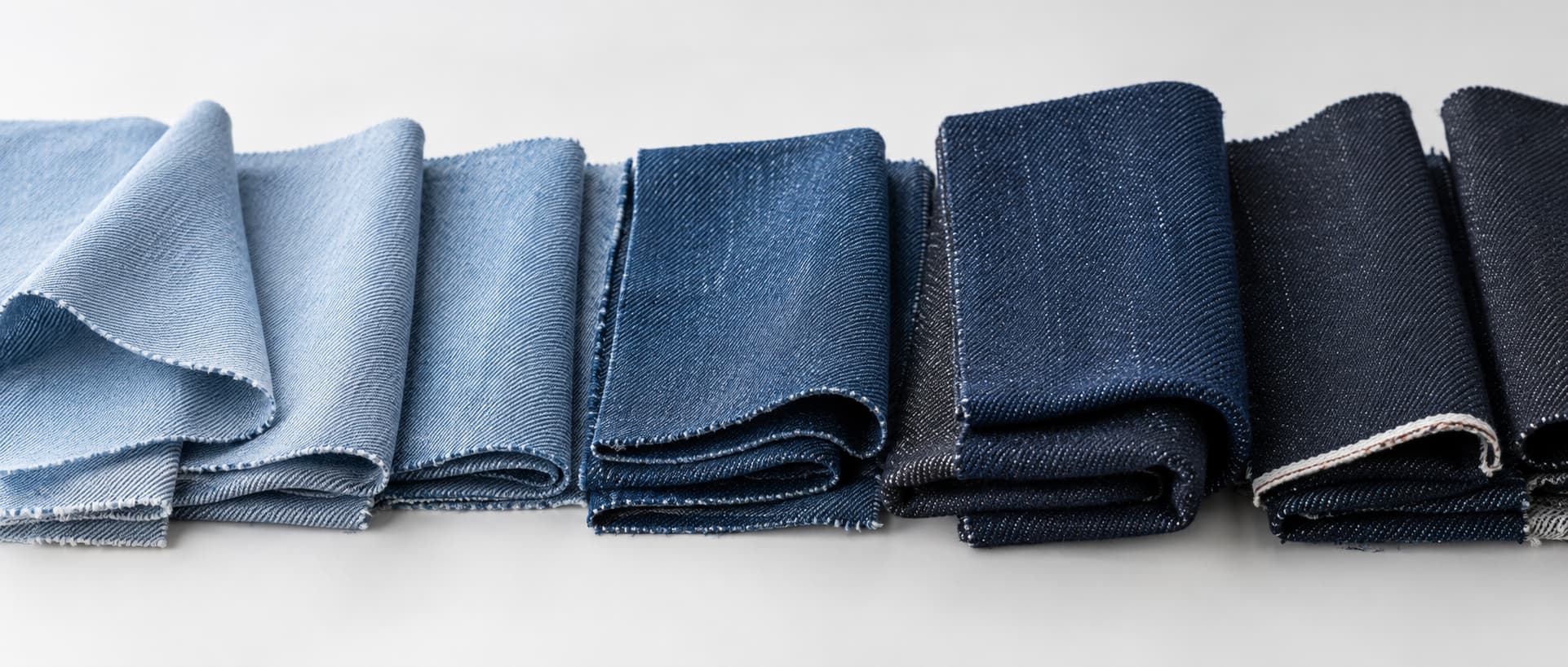
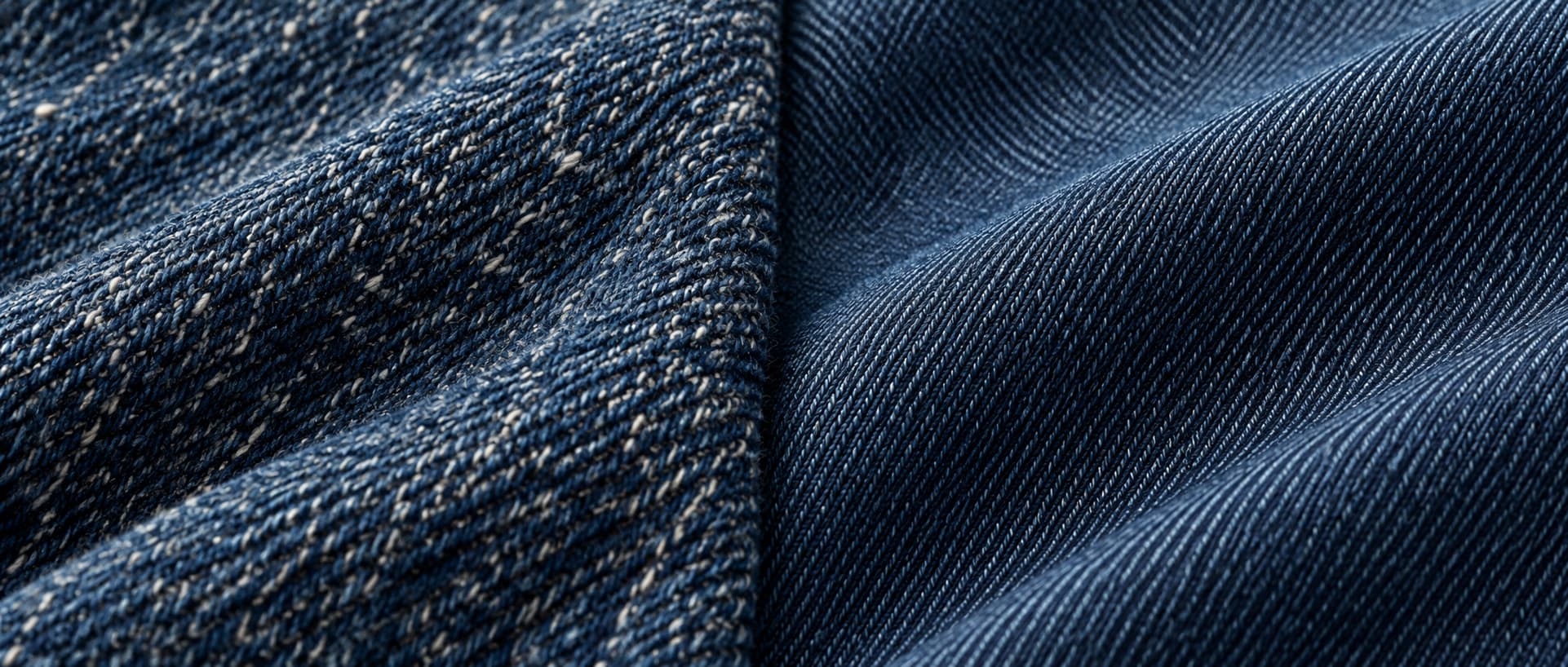
One of the first differences buyers may notice is surface character.
OE yarn denim may offer a more visible or casual texture depending on the yarn and weave.
Siro yarn constructions can be developed with a cleaner and more uniform surface.
This difference can influence how the fabric fits into different product concepts.
For example, one brand may prefer a more traditional or rugged denim appearance, while another may prefer a cleaner fabric for modern fashion jeans.
Hand Feel
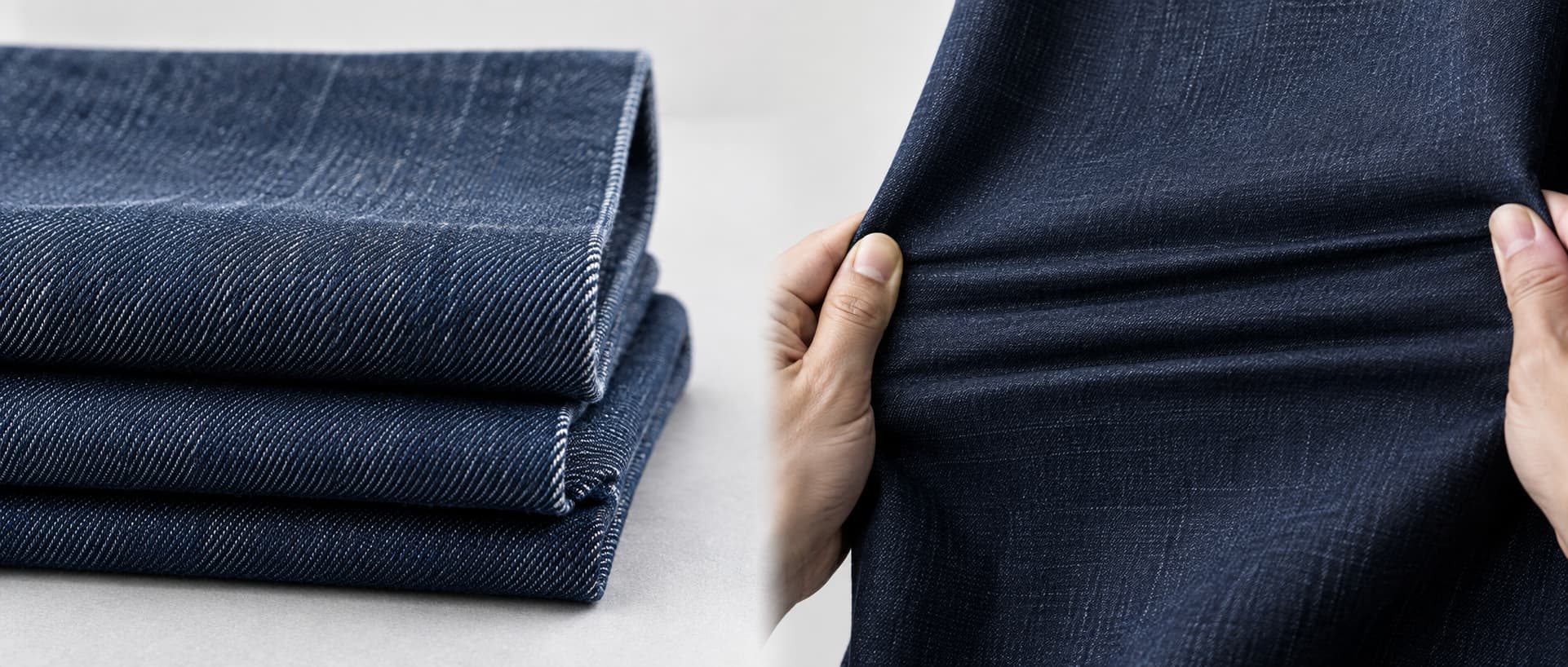
Yarn structure can also influence hand feel.
However, buyers should be careful not to assume that one yarn type will always feel softer than another.
Finishing has a major influence on the final hand.
Two fabrics made with similar yarn technologies may still feel very different after softening, sanforizing or other finishing treatments.
This is why physical fabric samples are useful when evaluating denim.
Appearance After Washing
Garment washing can amplify differences in yarn and fabric construction.
Depending on the yarn, indigo dyeing and surface structure, washing may create different levels of:
- Contrast
- Texture
- Fading
- Surface character
A denim fabric should therefore be evaluated not only in its raw or finished roll state but also according to the intended garment wash.
For wash-sensitive fashion programs, trial washing can help confirm whether the fabric produces the desired appearance.
Is OE Yarn Lower Quality Than Siro Yarn?
Not necessarily.
Yarn technology should not be treated as a simple quality ranking.
OE and Siro yarns are used for different fabric objectives.
A well-developed OE yarn denim may be more suitable for one garment than a Siro yarn construction, and the opposite may be true for another product.
The better question is:
Which yarn and construction are more appropriate for the target garment?
Professional sourcing should therefore evaluate the complete fabric rather than selecting yarn technology based on name alone.
What Else Should Buyers Consider?
When comparing OE and Siro yarn denim, buyers should also evaluate:
- Fiber composition
- Fabric weight
- Yarn count
- Fabric construction
- Stretch
- Surface appearance
- Shade
- Hand feel
- Shrinkage
- Garment wash result
These characteristics work together.
For example, a buyer may want a clean surface but also require high stretch and a soft hand.
In that case, yarn choice is only one part of the development.
When Should Buyers Use OE Yarn Denim?
OE yarn constructions may be suitable when the product requires a particular commercial, casual or textured denim character.
Applications can vary widely depending on the fabric design.
The correct choice should be based on the required garment rather than the spinning method alone.
When Should Buyers Use Siro Yarn Denim?
Siro yarn may be considered when buyers are looking for a cleaner or more refined yarn appearance.
It can be used in different denim programs where visual uniformity and fabric character are important.
However, physical evaluation remains essential because the complete fabric specification determines the final result.
Why Fabric Samples Matter
Technical descriptions are useful, but denim is a highly visual and tactile material.
Surface appearance, hand feel and washing behavior are difficult to evaluate from specifications alone.
For this reason, buyers comparing OE and Siro denim should ideally review physical samples.
A reference fabric can also help the mill understand the desired appearance more accurately.
Choosing the Right Yarn Construction
There is no single yarn technology that is suitable for every denim product.
The right choice depends on the garment, target appearance, performance requirements and commercial objectives.
At Shengfang Denim Mill, we develop both OE yarn and Siro yarn denim fabrics across different compositions, weights, colors and constructions.
If you are unsure which option is more suitable for your product, send us your target specification or reference fabric and our team can help recommend appropriate developments.