How to Choose Denim Fabric Weight for Jeans and Apparel
Fabric weight is one of the first specifications buyers usually look at when sourcing denim.
It affects how the fabric feels, how it drapes, how structured the garment appears and how suitable it is for different products.
However, weight alone does not determine fabric quality or performance.
Two denim fabrics with similar ounce weights can still feel very different because of differences in yarn, construction, fiber composition, stretch and finishing.
For apparel brands, garment manufacturers and sourcing teams, denim weight should therefore be considered together with the intended garment and required performance.
What Does Denim Fabric Weight Mean?
Denim weight is commonly expressed in ounces per square yard, often written as oz.
For example:
- 6 oz denim
- 8 oz denim
- 10 oz denim
- 12 oz denim
- 14 oz denim
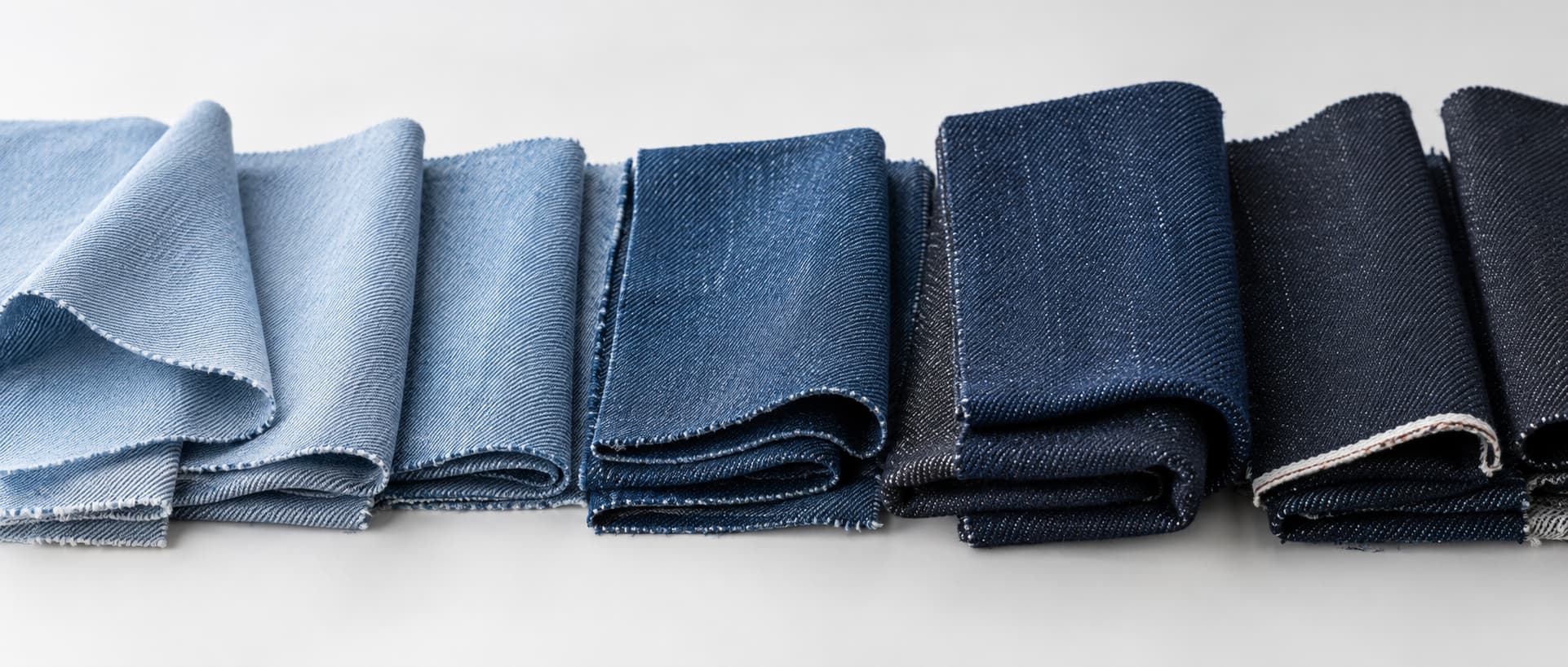
A higher ounce weight generally means more fabric mass per unit area, but it does not automatically mean that the fabric will feel extremely heavy or stiff.
Construction, yarn type and finishing can significantly change the hand feel.
A 10 oz soft stretch denim may feel very different from a 10 oz rigid denim made with a denser construction.
Lightweight Denim
Lightweight denim is commonly selected for garments where softness, comfort and drape are important.
Typical applications may include:
- Shirts
- Dresses
- Skirts
- Lightweight trousers
- Summer apparel
- Fashion garments
Lighter denim can provide a more relaxed and fluid appearance than traditional jeans denim.
For these products, buyers often pay attention not only to weight but also to softness, surface appearance and how the fabric behaves after washing.
Midweight Denim
Midweight denim is one of the most versatile categories.
It can be used for many types of jeans and casual apparel while providing a balance between structure and comfort.
Common applications include:
- Jeans
- Casual trousers
- Skirts
- Work-inspired apparel
- Everyday denim garments
Stretch fibers are also frequently used in this range when the garment requires improved mobility or a closer fit.
For brands developing commercial jeans programs, midweight denim is often a practical starting point because it can support different fits, washes and constructions.
Heavyweight Denim
Heavier denim is generally selected when a more structured, substantial or traditional denim character is required.
Applications may include:
- Heavy jeans
- Jackets
- Workwear-inspired garments
- Structured fashion pieces
Heavier fabrics can create a stronger hand feel and more pronounced denim character.
However, heavier weight does not automatically mean better durability.
Yarn quality, weave density, finishing and garment construction also influence long-term performance.
Does Higher Weight Mean Better Quality?
No.
Fabric weight is a specification, not a quality rating.
A lighter denim can be high quality if it is developed correctly for its intended garment.
Likewise, a heavier fabric can still have problems if its construction, finishing or production consistency are not well controlled.
Professional buyers should evaluate denim based on the complete specification rather than using ounce weight as the only indicator.
Important factors may include:
- Fiber composition
- Yarn structure
- Weave construction
- Stretch and recovery
- Shrinkage
- Finished width
- Hand feel
- Shade
- Surface appearance
- Garment wash performance
Weight and Stretch Performance
Stretch denim requires additional consideration.
Two fabrics with the same weight may perform differently depending on the amount and type of stretch fiber used, yarn construction and finishing.
For fitted jeans, buyers may need to consider:
- Stretch percentage
- Recovery
- Growth after wear
- Comfort
- Shape retention
A fabric that stretches easily but does not recover well may lose its shape during wear.
For this reason, fabric weight should always be evaluated together with stretch performance when developing fitted garments.
Weight and Garment Washing
Garment washing can also change how denim feels and appears.
Processes such as enzyme washing, stone washing and other finishing treatments can soften the garment and alter its surface appearance.
The same base denim may therefore feel very different before and after garment washing.
When developing denim for washed garments, it is useful to evaluate the fabric together with the expected wash process rather than judging the raw fabric alone.
How Should Buyers Select the Right Denim Weight?
The best weight depends on the intended garment.
Before selecting a fabric, buyers should consider:
- What garment will be produced?
- Is the desired fit loose or fitted?
- Is stretch required?
- Should the garment feel soft or structured?
- What wash effect is expected?
- What season or market is the garment designed for?
- What performance requirements are important?
A reference garment or existing fabric sample can also help communicate the desired result.
Do Not Source Denim by Weight Alone
A request such as “10 oz denim” still leaves many important questions unanswered.
For example:
- Rigid or stretch?
- Cotton or blended?
- Dark indigo or medium blue?
- Smooth or slub surface?
- Soft or structured hand feel?
- High recovery or standard stretch?
- Raw appearance or designed for garment washing?
This is why professional denim sourcing should start with the garment requirement, not only the ounce number.
Developing Denim for Your Product
At Shengfang Denim Mill, we develop denim fabrics across different weights, compositions, constructions and stretch levels.
If you are sourcing fabric for jeans, jackets, shirts or other denim garments, you can send us your target weight, garment type or reference sample.
Our team can help recommend suitable existing fabrics or discuss a custom development.