Rigid vs Stretch Denim: What Buyers Should Know
One of the most common decisions in denim sourcing is whether to use rigid or stretch fabric.
Both can be used to create successful denim garments, but they serve different design and performance requirements.
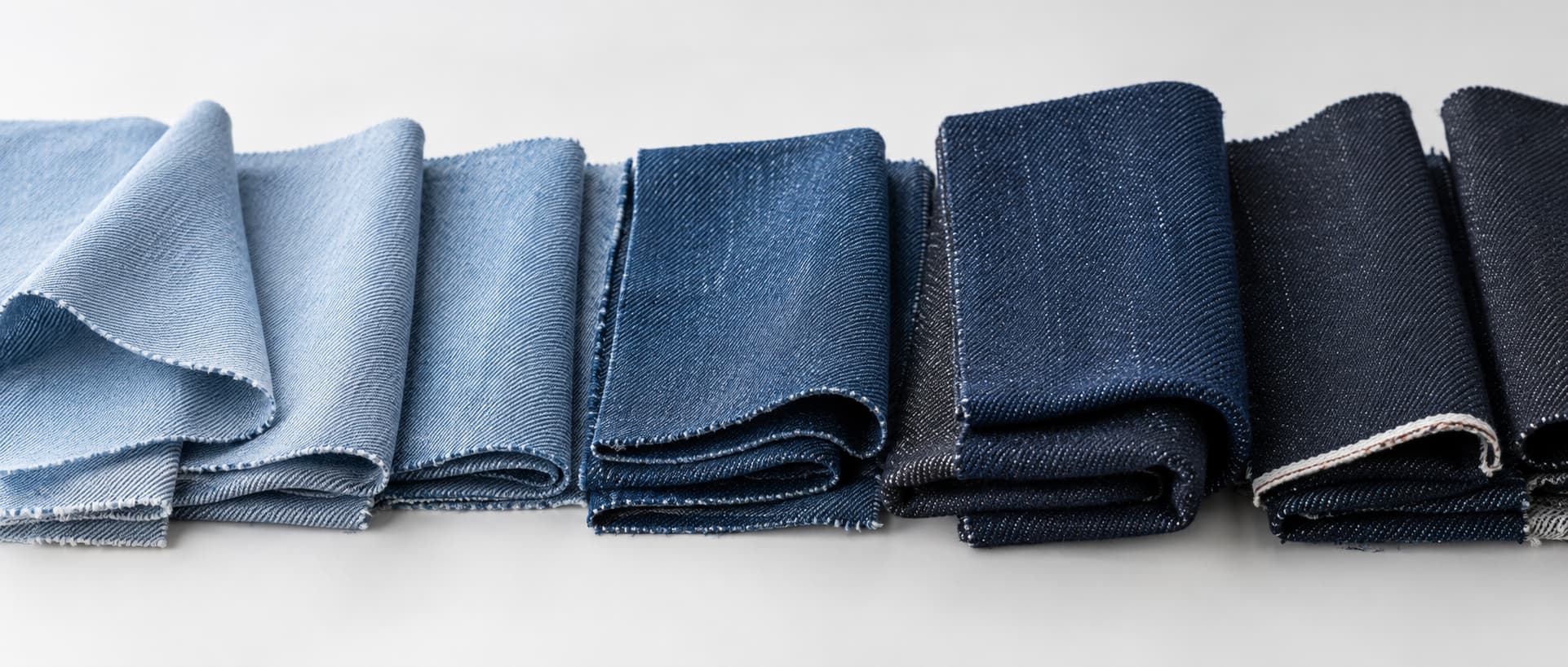
Rigid denim is often associated with authentic denim character and structure, while stretch denim is widely used for comfort, mobility and fitted silhouettes.
For apparel brands and garment manufacturers, the right choice depends on the garment, fit, wash and target consumer.
What Is Rigid Denim?
Rigid denim generally refers to denim without added stretch fiber.
Traditional constructions are often based primarily on cotton, although exact fiber composition may vary depending on the fabric.
Because rigid denim does not rely on elastane for stretch, it usually has a firmer and more structured character.
Common applications include:
- Traditional jeans
- Relaxed-fit jeans
- Denim jackets
- Workwear-inspired garments
- Vintage-style denim products
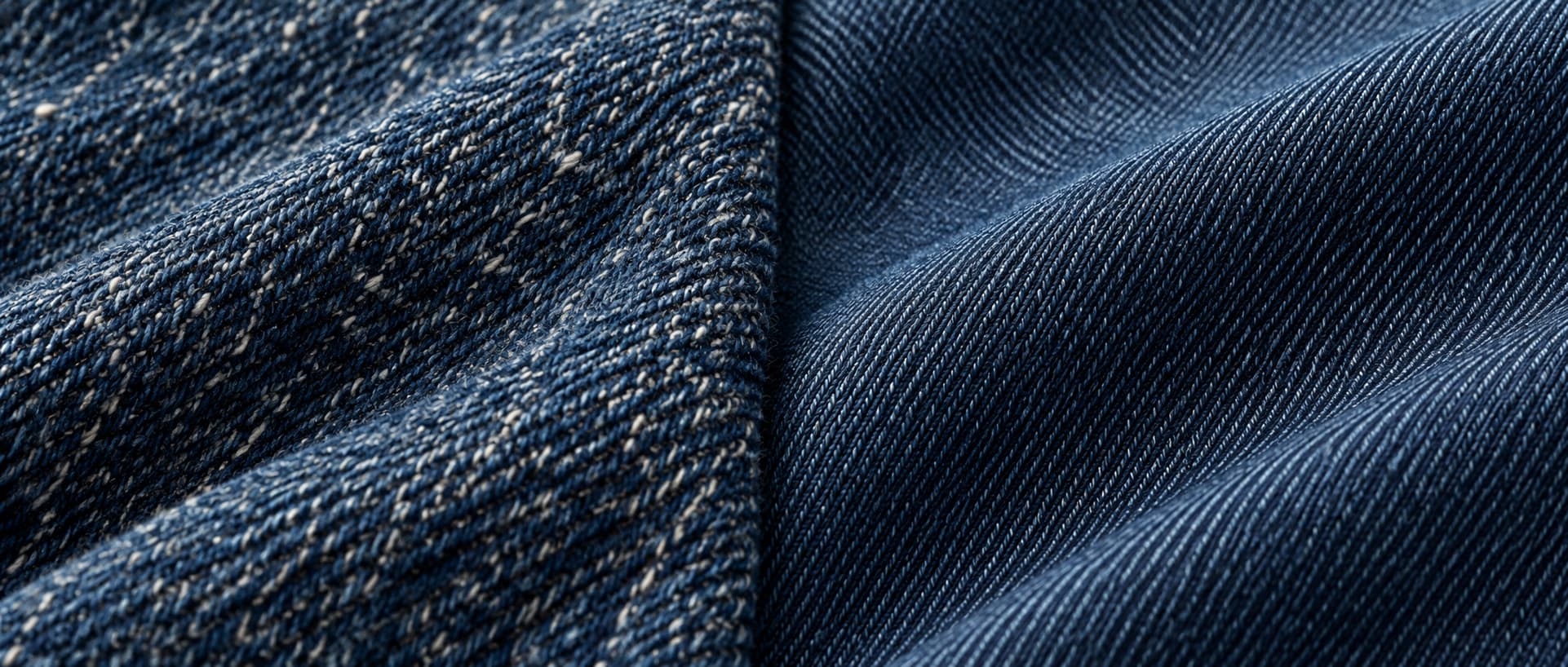
Rigid fabrics are often selected when authentic surface character and traditional wash development are important.
What Is Stretch Denim?
Stretch denim contains fibers or yarn technologies designed to provide elasticity.
A common construction may combine cotton with a small percentage of elastane, although other fiber combinations are also possible.
Stretch denim is commonly used for:
- Skinny jeans
- Slim-fit jeans
- Women’s denim
- Comfort-focused trousers
- Fashion denim
- Fitted garments
Stretch helps the garment follow body movement more easily and can improve comfort in close-fitting styles.
The Main Difference: Movement and Structure
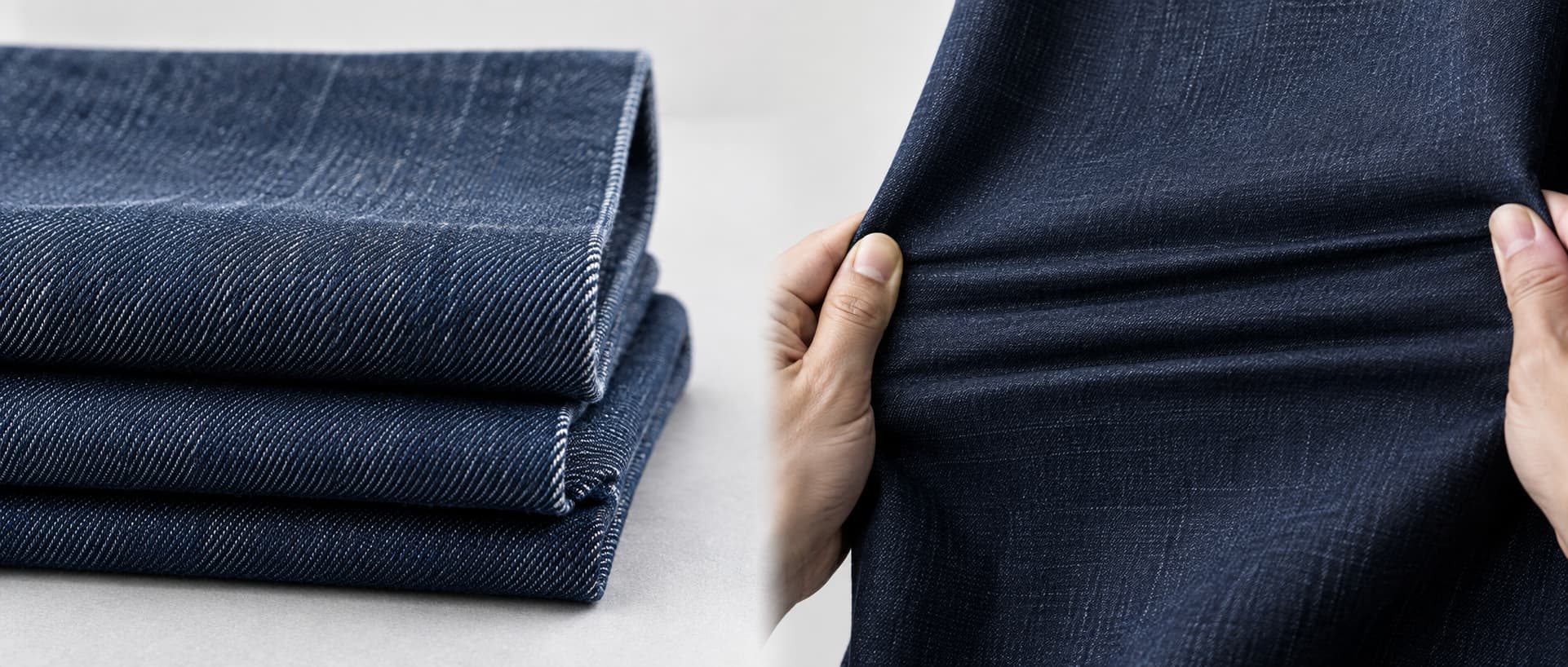
The most obvious difference between rigid and stretch denim is how the fabric behaves when force is applied.
Rigid denim offers limited elasticity and tends to hold a more structured shape.
Stretch denim can extend more easily and is therefore more suitable for garments that need to move with the wearer.
Neither option is automatically better.
The correct choice depends on the product.
Appearance
Rigid denim is often selected when buyers want:
- Traditional denim character
- A more structured silhouette
- Authentic fading
- Vintage-inspired appearance
- Strong surface texture
Stretch denim may provide:
- Smoother fit
- Improved body conformity
- Greater comfort
- Better mobility
- More flexibility in fitted garments
However, surface appearance is influenced by more than stretch content.
Yarn structure, weave, dyeing and finishing also contribute to the final look.
Stretch Is Not the Same as Recovery
When evaluating stretch denim, buyers should not only ask how much the fabric stretches.
Recovery is equally important.
Recovery describes how well the fabric returns toward its original dimensions after being stretched.
A fabric may feel very elastic but still develop excessive growth after repeated wear.
For fitted jeans, poor recovery can lead to problems such as:
- Bagging at the knees
- Loose waist areas
- Loss of garment shape
- Reduced fit consistency
For this reason, stretch percentage and recovery should be considered together.
Rigid Denim and Garment Washing
Rigid denim can develop distinctive wash effects because of its construction and indigo-dyed surface.
Depending on the fabric and garment process, washing may create:
- High and low contrast
- Creasing
- Fading
- Abrasion effects
- Vintage appearance
The final result depends on the base fabric as well as the garment washing process.
For brands developing washed denim, it is useful to test the fabric with the intended wash before approving bulk production.
Stretch Denim and Garment Washing
Stretch fabrics also require careful evaluation during garment washing.
Heat, chemicals and mechanical action can influence fabric performance.
Buyers should consider how the wash process may affect:
- Stretch
- Recovery
- Shrinkage
- Hand feel
- Appearance
A fabric that performs well in the unwashed state may behave differently after garment finishing.
This is why wash testing is especially important for stretch denim developments.
Which Is Better for Jeans?
There is no universal answer.
Rigid denim may be more suitable when the priority is:
- Authentic denim character
- Traditional construction
- Structured fit
- Vintage wash effects
Stretch denim may be more appropriate when the priority is:
- Comfort
- Mobility
- Slim or fitted silhouettes
- Shape conformity
Many brands use both depending on the collection.
What Should Buyers Specify?
When contacting a denim supplier, it is helpful to provide more information than simply “rigid” or “stretch.”
Useful details include:
- Composition
- Target weight
- Stretch requirement
- Recovery requirement
- Garment fit
- Target hand feel
- Color
- Garment wash
- Reference fabric
- Estimated quantity
This allows the manufacturer to recommend a construction that is closer to the intended product.
Choosing the Right Denim Construction
Rigid and stretch denim are not competing quality levels.
They are different tools for different garment requirements.
The best fabric is the one that delivers the correct appearance, comfort and performance for the intended product.
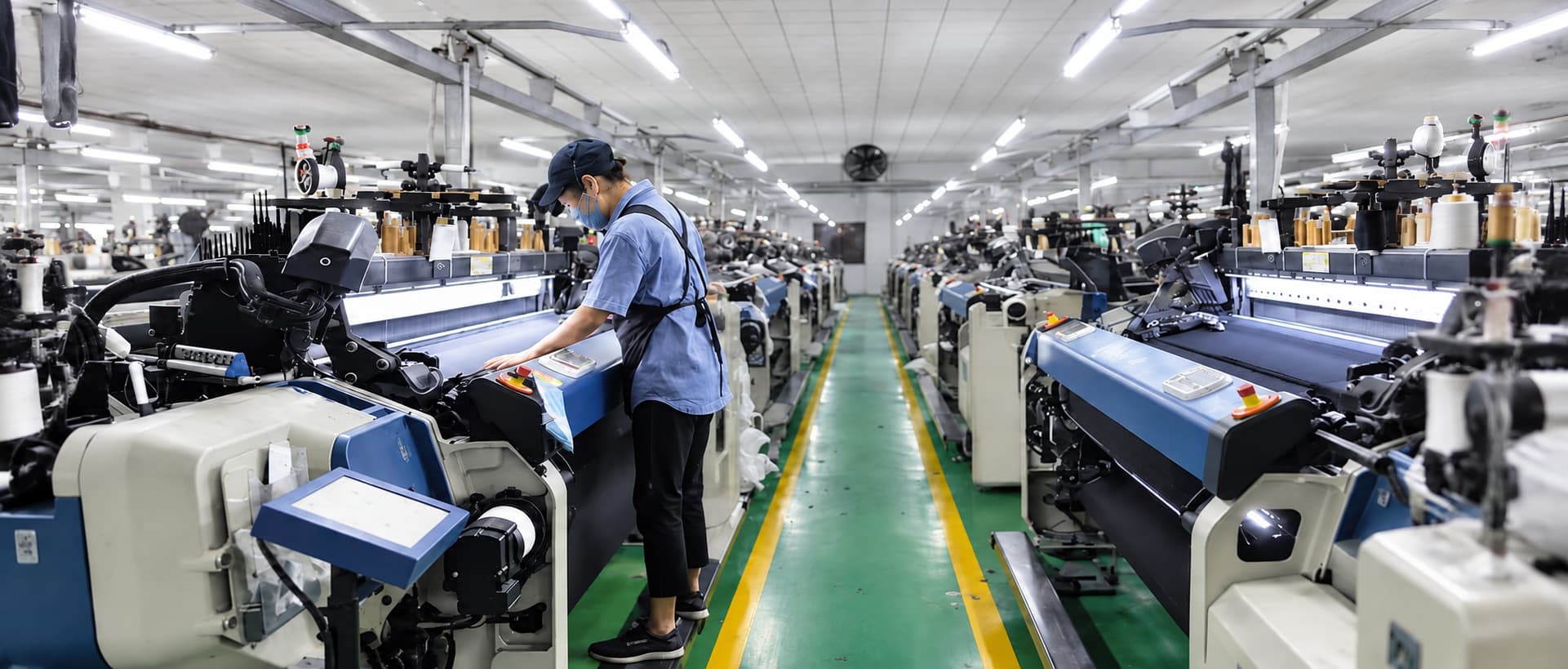
At Shengfang Denim Mill, we develop both rigid and stretch denim constructions across different weights, colors and surface effects.
If you are developing a new denim program, send us your garment requirements or reference fabric and our team can help recommend suitable options.